
Pet insurance • Practical decisions

What “major medical” means for pet insurance

The phrase can describe a goal or a named product. Find the payment method before assuming how much a large bill will return.

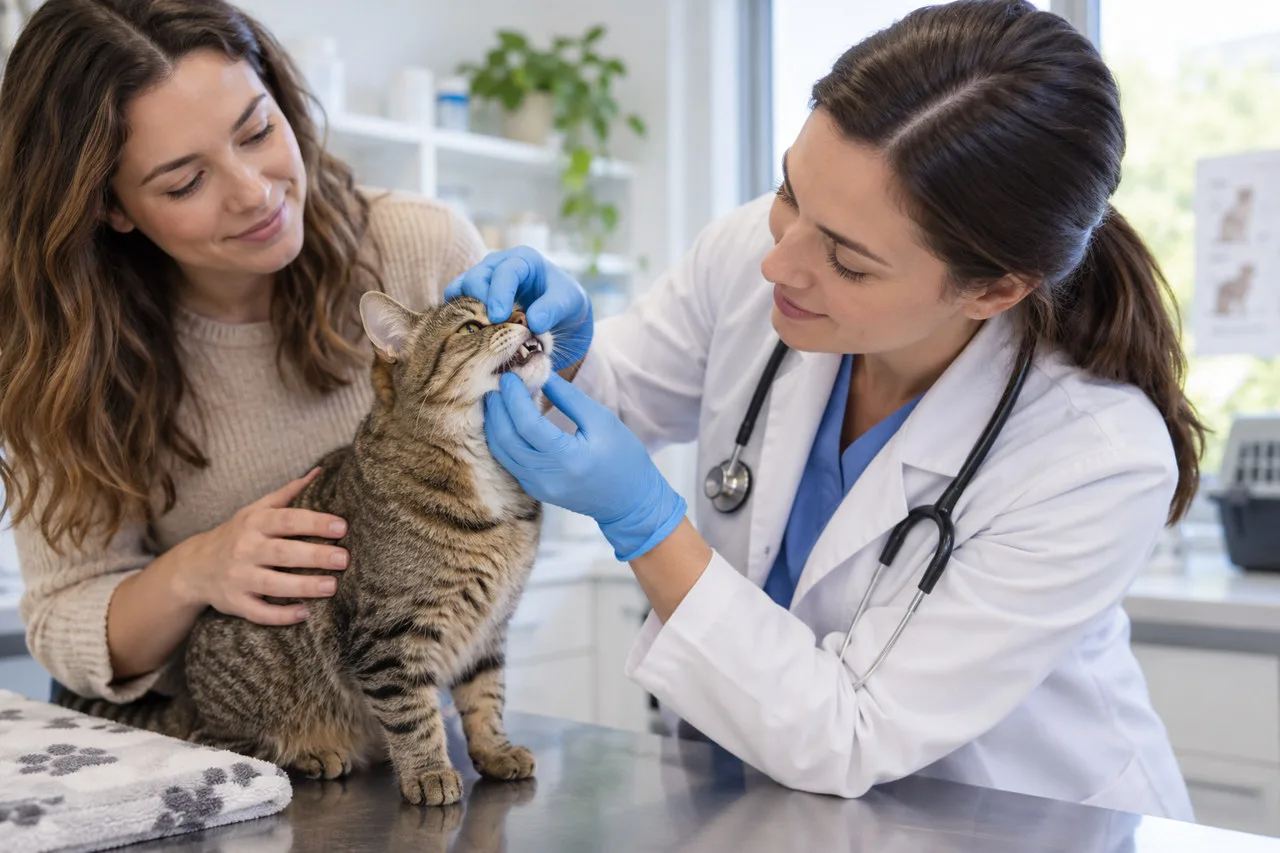
Veterinarian examining a cat with its owner present
✓ Policy-first ✓ Independent ✓ Useful checks
Direct answer
Major medical pet insurance usually signals protection against significant illness and injury expenses, but the phrase alone does not define the benefits. Nationwide also uses Major Medical as a product name with defined annual benefits per condition. If that is the plan you mean, inspect its actual benefit schedule; do not assume it reimburses a fixed percentage of every veterinary bill.
What to know

Clarify which meaning you are using

If you mean “insurance for large unexpected vet bills,” compare accident-and-illness policies by eligible services, history exclusions, payment basis and limits. A severe illness can be expensive without fitting an accident-only benefit. Routine-care packages are a separate decision and do not substitute for the medical coverage you want.

If you mean Nationwide Major Medical, use the exact product documents. Its current product page describes defined annual benefits per condition, with versions shown with and without wellness. A phrase that sounds broad can therefore refer to a specific scheduled-payment design.

Other products may calculate reimbursement differently. Do not import a percentage, limit or deductible from a neighboring product on the same insurer’s website. The selected plan name and schedule are part of the purchase, not fine print that can be checked after comparing prices.

What to know

Read the schedule as a payment instruction

Document detail Question to resolve
Condition or procedure row Which covered diagnosis or procedure does the insurer use for the claim?
Primary and secondary diagnosis allowances When does each category apply, and can allowances be combined?
Annual benefit definition What resets, and which related expenses consume the same allowance?
Deductible and other terms How is the remaining deductible applied to the calculated eligible amount?
State and form identifier Is this schedule the one attached to your actual policy?

An official Major Medical schedule example separates diagnosis allowances and certain procedures. This shows why reading one dollar figure out of context is insufficient. It does not establish which schedule is offered to your pet, and the amounts in an online example should not replace your issued documents.

Ask the insurer to explain a relevant line using its own rules. Do not add every row that resembles the condition or treat a secondary allowance as extra money automatically payable on top of a primary allowance.

Coverage

A large bill and a large benefit are different quantities

Consider a fictional covered treatment episode with a $4,800 bill. Suppose the applicable payment design limits the eligible benefit for that episode to $1,900 before any remaining deductible. The fact that treatment was medically necessary does not expand the stated benefit to $4,800. The owner would retain at least $2,900 under those assumptions, potentially more after the other terms.

These are invented numbers, not Nationwide’s schedule or a claim estimate. The example isolates the schedule ceiling so you can see the question to ask: which amount is the insurance calculation built on? A percentage-based policy has its own exclusions and caps; it is not automatically better merely because it uses a different formula.

For either design, evaluate a treatment estimate against the actual benefits. If the retained share is larger than you can manage, consider a different offered structure or a separate funding plan. Do not equate the words “major medical” with full payment for any major event.

What to know

Check the current product, not only a saved brochure

Nationwide’s current all-products page lists a $250 annual deductible and new-enrollment ages of at least six weeks old and nine years old or younger at application for Major Medical, while noting that availability and eligibility vary. Those public terms are a starting point, not a personal offer or confirmation that the same version is sold in every state.

The forms page asks the reader to select a state. This guide did not retrieve a completed state-specific offer and does not promise the online sample schedule applies to you. Request the form and schedule together, including the wellness version only if you intend to buy it.

For an existing policy, read the renewal documents rather than assuming an online sales page replaces them. Before switching products or insurers, ask what happens to already documented conditions. A change that improves the payment basis for future claims can still change the treatment of medical history.

Coverage

Choose the protection by its usable benefit

Compare the premium with what the policy could pay under a few relevant, clearly hypothetical treatment situations. Keep the medical service, history and payment assumptions beside each result. If one design uses a schedule and another uses eligible actual charges, do not force them into a single reimbursement-percentage column.

You can accept a scheduled benefit knowingly if it fits your budget and retained-risk tolerance. The useful result is knowing the amount or mechanism that limits payment, not treating one design as universally good or bad. For decisions about actual treatment, rely on your veterinarian; for the insurance calculation, obtain the insurer’s explanation of the exact contract.

Evidence

Sources and policy context

These public references support the consumer or veterinary context. Named insurer details were checked in official product materials; the policy offered for your pet and state determines the actual terms.

Next step

Compare Current Pet Insurance Rates

Check current options for your pet and location, then compare the policy details, exclusions, costs, and eligibility before choosing.

Compare the policy before you choose Check the actual offer, exclusions and out-of-pocket terms.
See Rate Options